Hammadi Agrebi Stadium
Photo: Wikimedia Commons contributors · CC BY-SA
- Capacity
- 65,000
- Year opened
- 2001
- Club
- Club Africain
- Country
- Tunisia
Overview
About the stadium
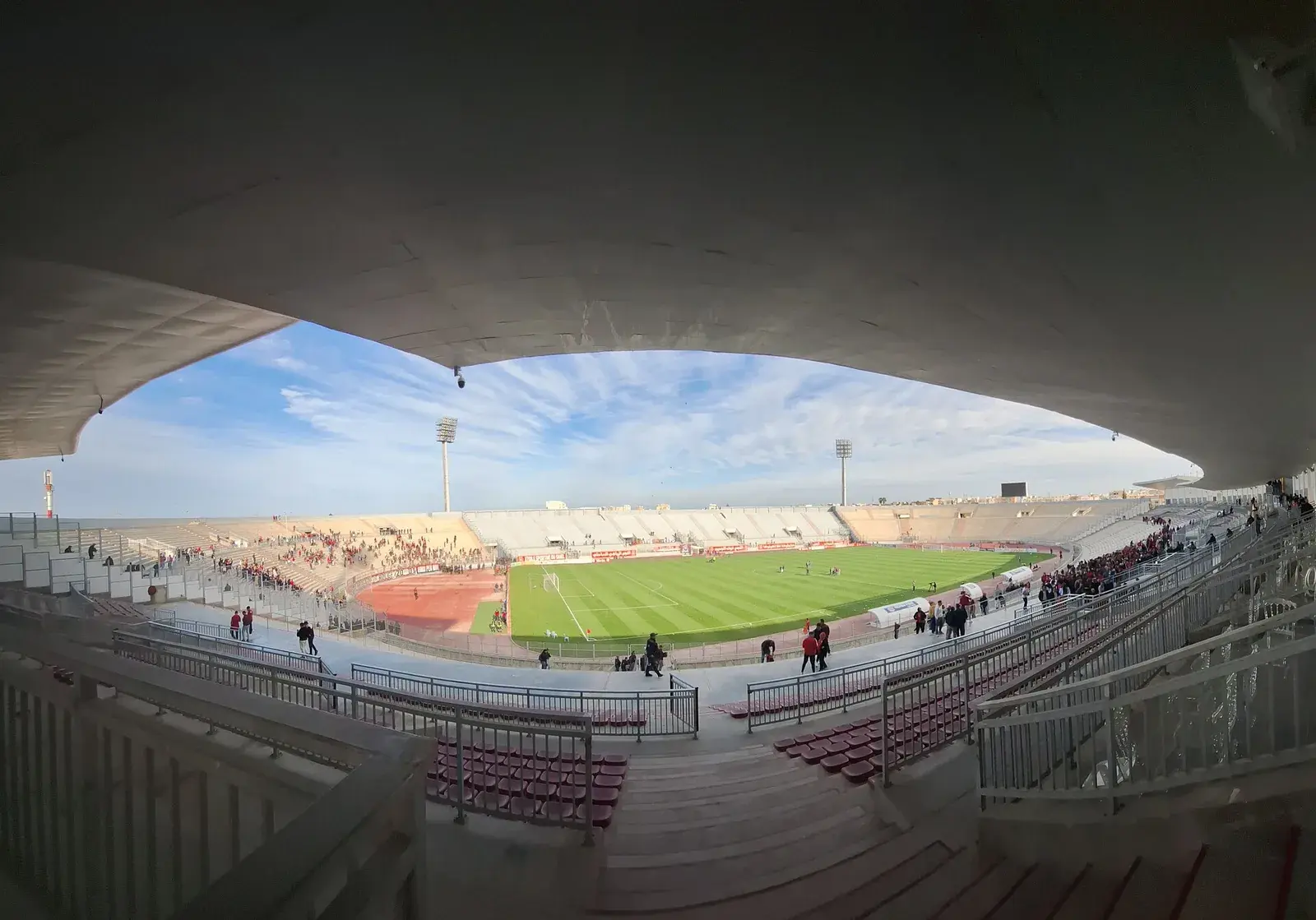
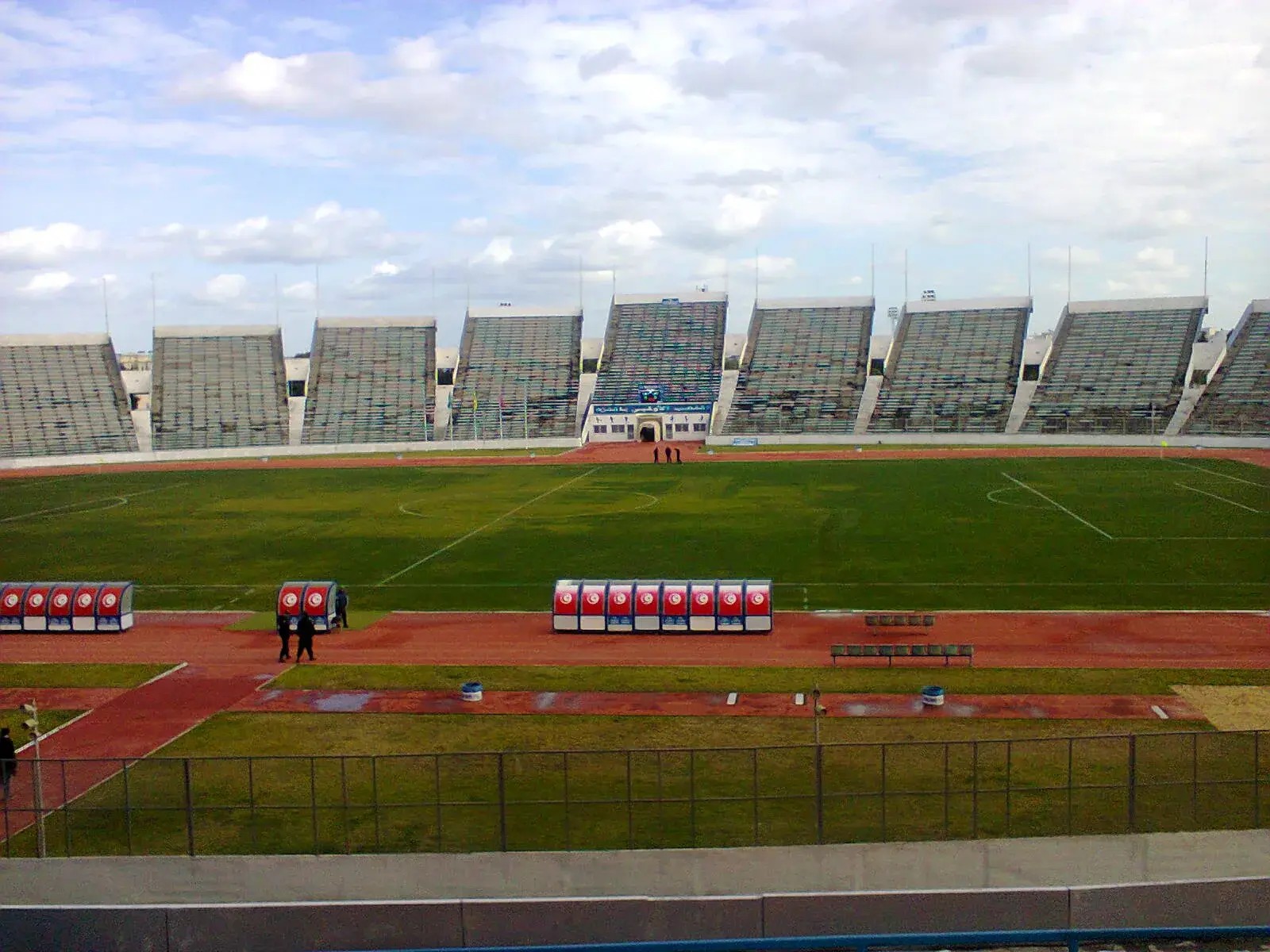
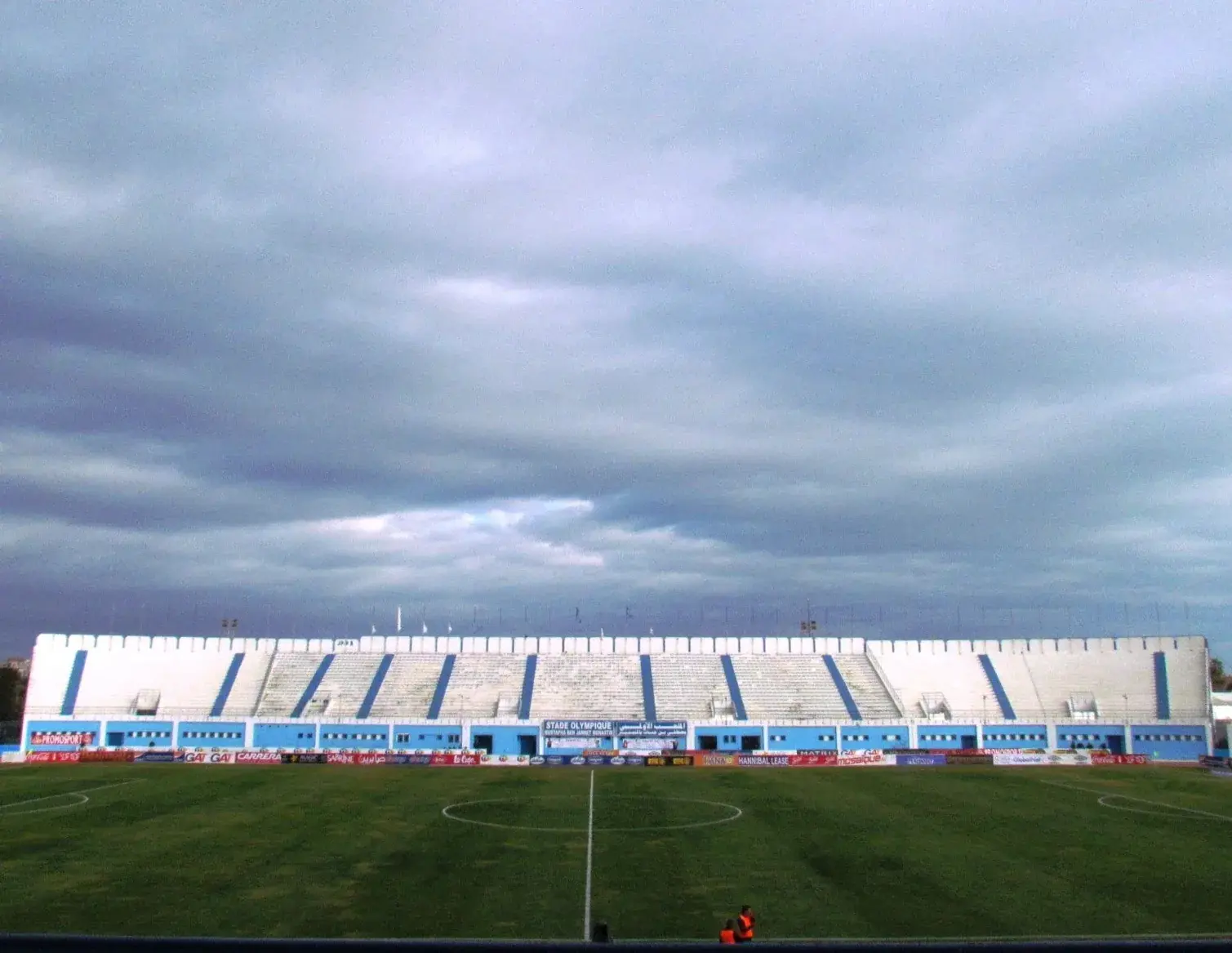
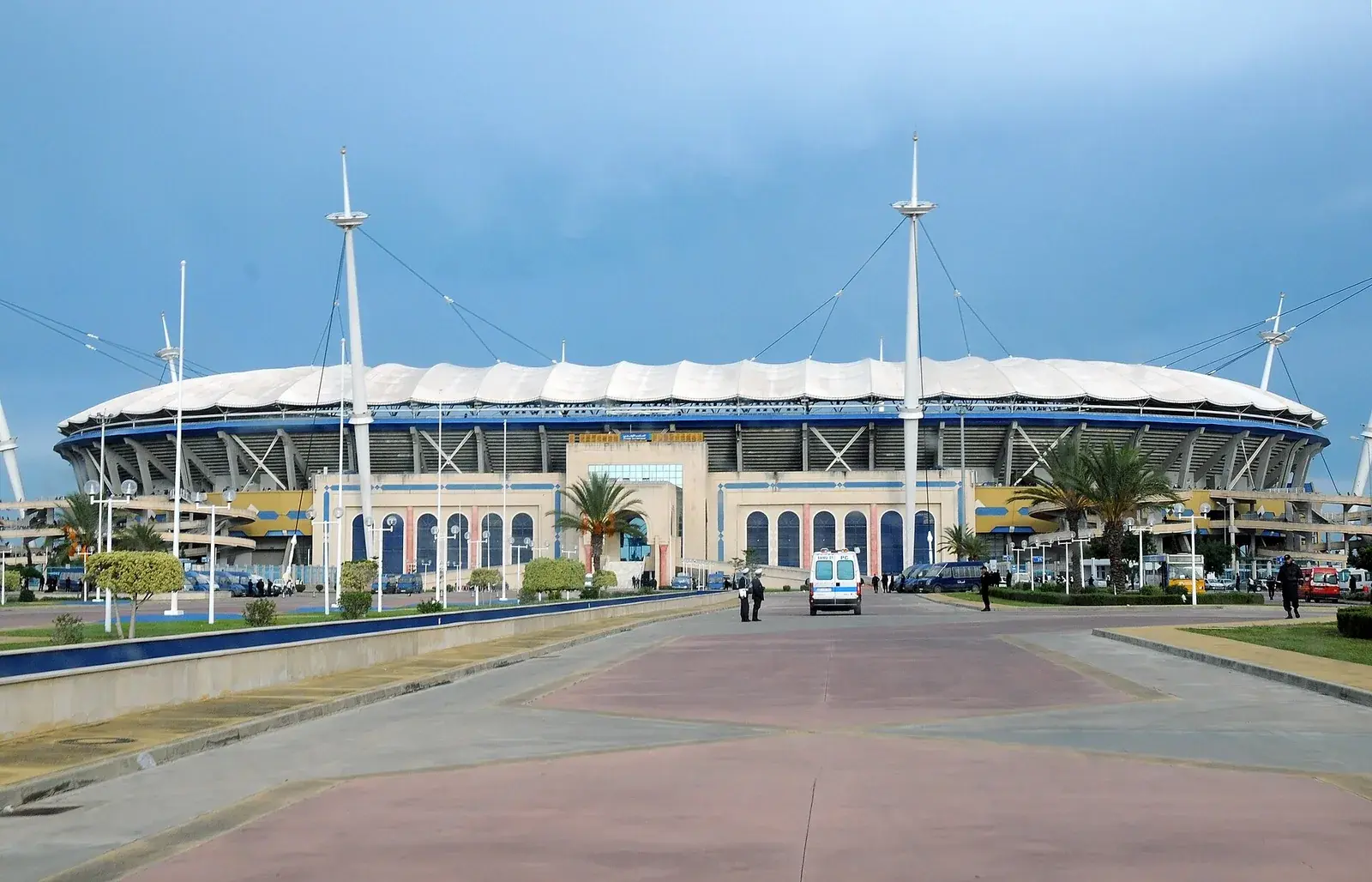
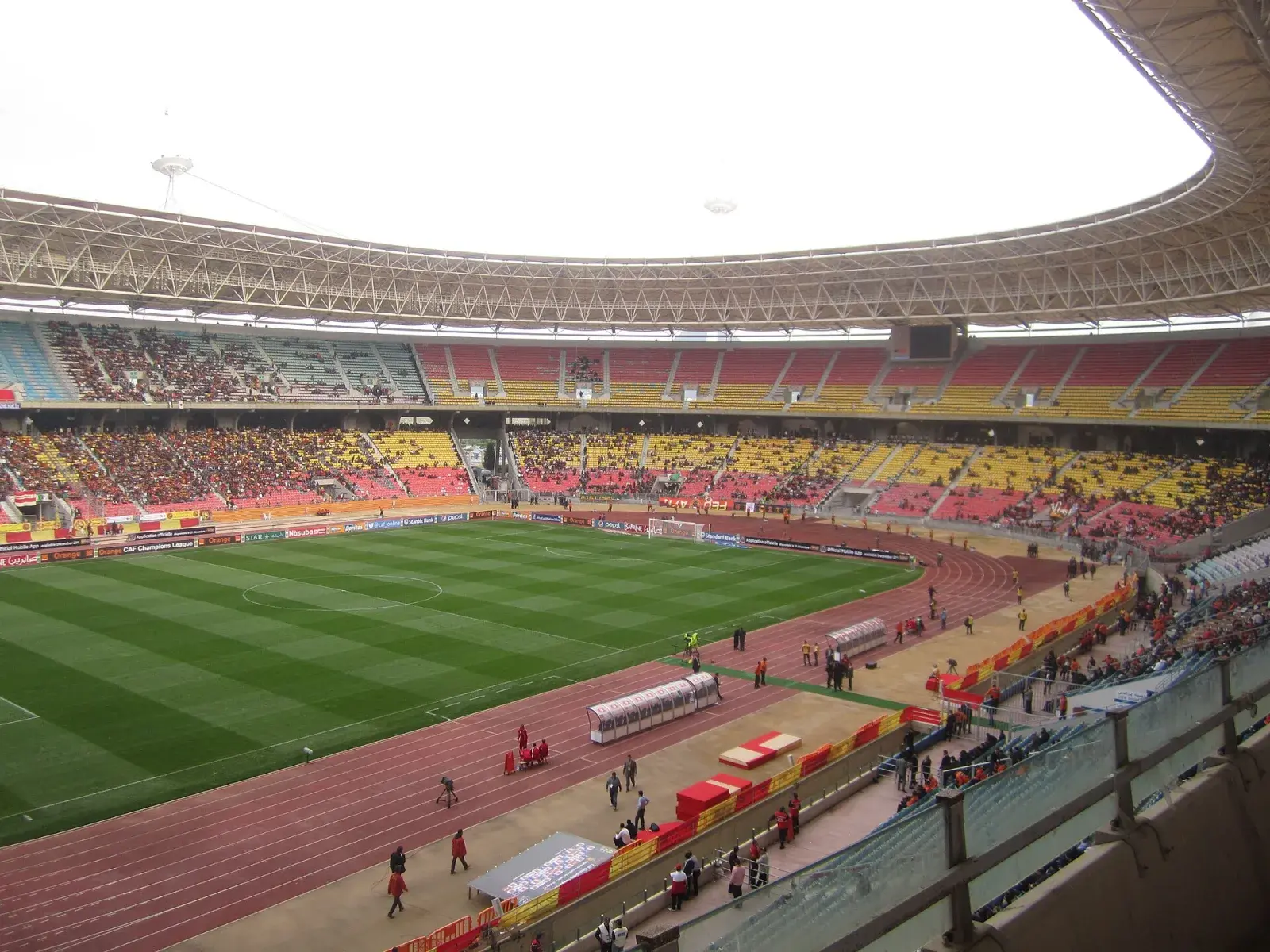
The Olympic Stadium in Rades is the largest and most significant football venue in Tunisia. It is located in Rades, a sports suburb about ten kilometers south of downtown Tunis, within an area known as the Rades Sports City. The stadium was opened in 2001 and has a capacity of 65,000 seats, with all stands covered. The lower ring accommodates approximately 32,000 spectators, while the upper ring holds an additional 28,000.
It is a multipurpose stadium, primarily serving football. It hosts home matches for the Tunisian national football team, nicknamed the Eagles of Carthage, as well as the biggest club clashes in the Tunisian league. The architect of the structure was Dutch designer Rob Schuurman, and the stadium was originally intended as a representative sports symbol for the entire country.
Thanks to its capacity, modern facilities, and strategic location close to the capital, it has become the site of the most prestigious sports events on the African continent and in the Mediterranean region. It is a place where Tunisia writes its football history—from gold medals to historic World Cup qualifications. The stadium is now named after Hammadi Agrebi, a legendary Tunisian footballer, honoring the greatest local talent of the twentieth century.
History
Journey through time
The Olympic Stadium in Rades was created as a central sports facility for the Mediterranean Games in 2001, which Tunisia hosted. Construction began in the mid-1990s, and the building was completed just before the games commenced. The official inauguration took place on July 6, 2001, during the final of the Tunisian Cup, where CS Hammam-Lif defeated Étoile du Sahel 1-0. The Mediterranean Games then brought Tunisia a gold medal in football—the national team defeated Italy 1-0 in the final at their home ground in Rades, sparking national celebration.
The name of the stadium has changed several times over the years. Upon opening, it was named Stade Olympique de Rades, but by 2007 it was renamed Stade 7 Novembre. The date of November 7, 1987, symbolized the day Zine El Abidine Ben Ali seized power in a bloodless coup, deposing longtime president Habib Bourguiba. Naming the stadium after this date was part of a broader cult of personality fostered by Ben Ali's regime.
Everything changed with the Arab Spring. In January 2011, Ben Ali fled to Saudi Arabia under pressure from mass protests, and Tunisia experienced a democratic turning point. The stadium was soon stripped of its politically charged name and reverted to its original name, Stade Olympique de Rades. The revolution symbolically erased the dictatorship from Tunisia's sports map.
In August 2020, Hammadi Agrebi, the greatest Tunisian footballer of the twentieth century, passed away. The head of the Tunisian government, Elyes Fakhfakh, immediately declared that the stadium would bear his name. Since then, the venue has officially been called Stade Hammadi Agrebi. This renaming was met with widespread enthusiasm—unlike the previous politically motivated name, it is a tribute to a true sports legend.
Regarding sports milestones, the stadium hosted six matches of the 2004 Africa Cup of Nations, including the final, where Tunisia defeated Morocco 2-1 and won the continental champion title for the first time in history. The stadium was also a key battleground during the qualification for the 2018 World Cup, where Tunisia confirmed its qualification for the tournament in Russia.
Clubs & teams

Atmosphere
Matchday
The atmosphere at the Olympic Stadium in Rades is a unique blend of North African passion, political symbolism, and intense club rivalry. The two largest Tunisian football clubs—Espérance Tunis and Club Africain—share the stadium as their home ground for important matches, especially when their own arenas cannot accommodate the capacity. This situation creates a remarkable paradox: both fierce rivals play on the same pitch, each as the 'home' side.
The derby between Espérance and Club Africain, known as El Classico Tunisien, is one of the most intense football encounters in all of Africa. Espérance Tunis, the most successful Tunisian club with multiple African Champions League titles, brings thousands of loyal fans in yellow and red to the stadium. Club Africain, the second most popular club in the country, counters with its red and white army. When these two factions clash in a 65,000-seat arena, the noise exceeds anything typically experienced in African football.
Matches of the Tunisian national team have a different but equally strong energy. The Eagles of Carthage are a source of national pride in Tunisia, and fans see them as the inheritors of the glorious tradition of Carthage, the ancient city that resisted Rome. The national colors of red and white fill the stadium, and the chanting takes on a nearly mystical intensity.
North African football culture is vibrant, full of colors, music, and spontaneous chants. Fans arrive with drums, trumpets, and giant flags. Pyrotechnics, despite bans, often feature at major matches. The atmosphere throughout feels more like a festival than a sport event—spectators sing from the first to the last minute, and the stadium literally shakes at key moments.
Rades is also where historical moments in Tunisian football were made: the gold medal at the 2001 Mediterranean Games, the AFCON title in 2004, and qualifications for World Cup tournaments. This sense of place's memory intertwines with every match, carried by the fans.
Practical info
Visiting the stadium
The Olympic Stadium in Rades is located in the suburb of Rades, approximately 10 kilometers south of downtown Tunis. Although it is one of the furthest larger suburbs, transportation access is relatively good due to existing infrastructure.
The most convenient way to get to major matches is by the suburban train TGM (Tunis – La Goulette – La Marsa), which connects downtown Tunis with surrounding suburbs. For the trip to Rades, it is advisable to use the lines that run through the southern part of the agglomeration or transfer to bus services from the main train station. On match days, trains and buses run more frequently.
Alternatively, taxis are affordable and easy to find in Tunisia. Yellow taxis (petit taxi) are intended for rides within Tunis; for further destinations like Rades, larger taxis or rides booked through a mobile app are recommended. The drive from downtown Tunis takes about 20–25 minutes without traffic jams.
In the vicinity of the stadium lies the Rades Sports City, a complex that also includes an athletic stadium, tennis courts, and a swimming pool. The immediate area offers basic refreshments in the form of street stalls and cafes, which are especially lively on match days. Rades center is a quiet residential neighborhood without significant tourist attractions, so most stadium visitors combine their trip with a visit to Tunis itself or the nearby Carthage.
Map
Where to find the stadium
Rating
Your rating
No ratings yet
Plan your visit
Tunis, Tunisia
Accommodation
Booking.com — affiliate ID not configured
Stadium tour
GetYourGuide — partner ID not configured
Match tickets
Ticombo — affiliate ID not configured
Some links are affiliate — if you purchase, we earn a small commission (no extra cost to you).