Puskás Aréna
Foto: Wikimedia Commons contributors · CC BY-SA 4.0
- Kapacita
- 67 215
- Postaven
- 2019
- Klub
- —
- Země
- Hungary
Přehled
O stadionu
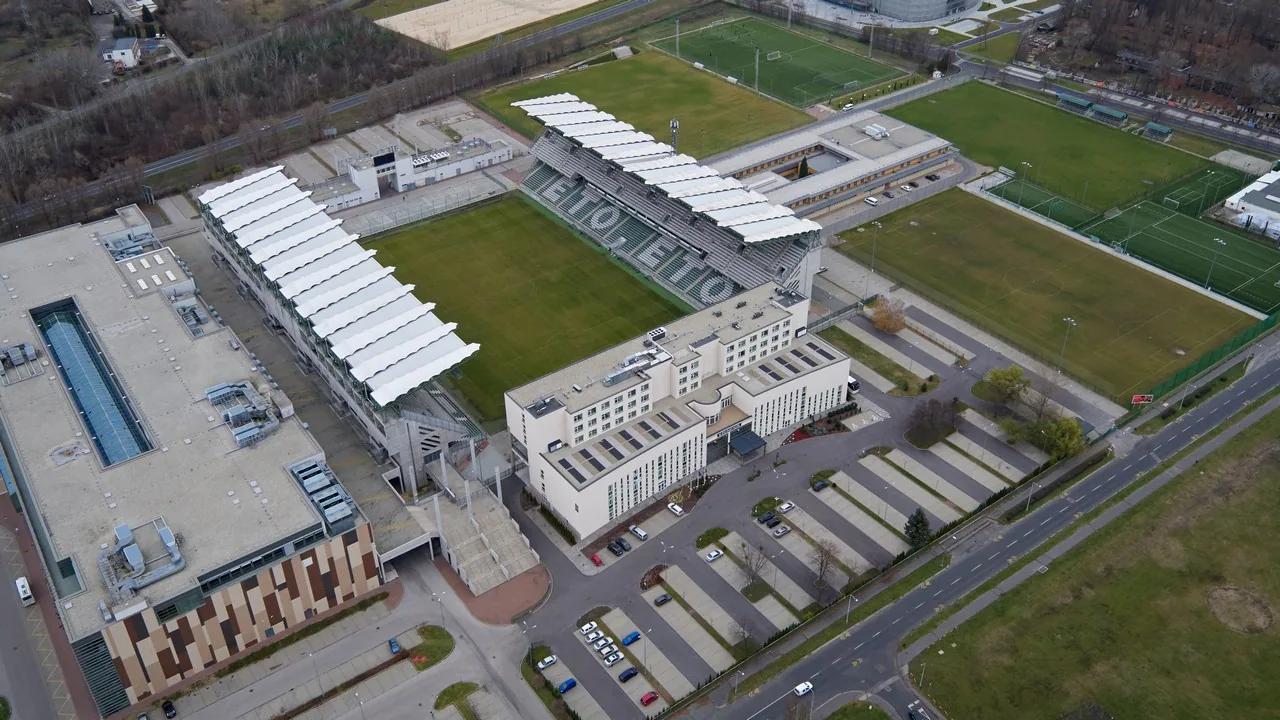
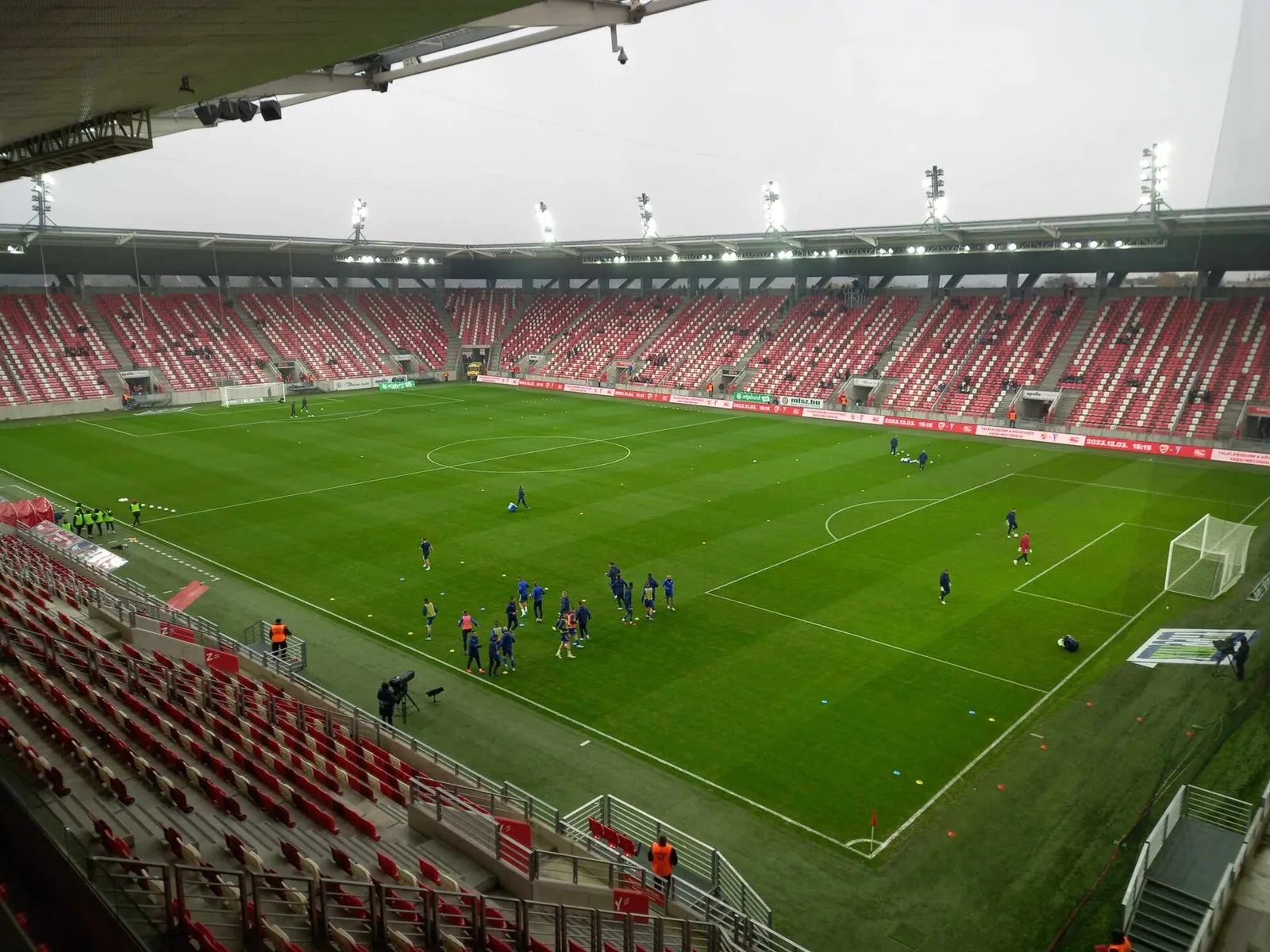
Puskás Aréna is the largest football stadium in Hungary and one of the most significant sports venues in Central Europe. It is located in the Zugló district of Budapest, approximately 3 kilometers from the historic city center. The stadium holds 67,215 spectators and serves as the main home ground for the Hungarian national football team as well as the club Ferencváros TC during European Cup matches.
The arena was opened on November 20, 2019, with a friendly match between Hungary and Uruguay. It was built on the site of the legendary Ferenc Puskás Stadium, which was demolished in 2016 after more than six decades of operation. Both stadiums are named after the famous Hungarian footballer Ferenc Puskás (1927–2006), captain of the national team and a double champion of La Liga with Real Madrid.
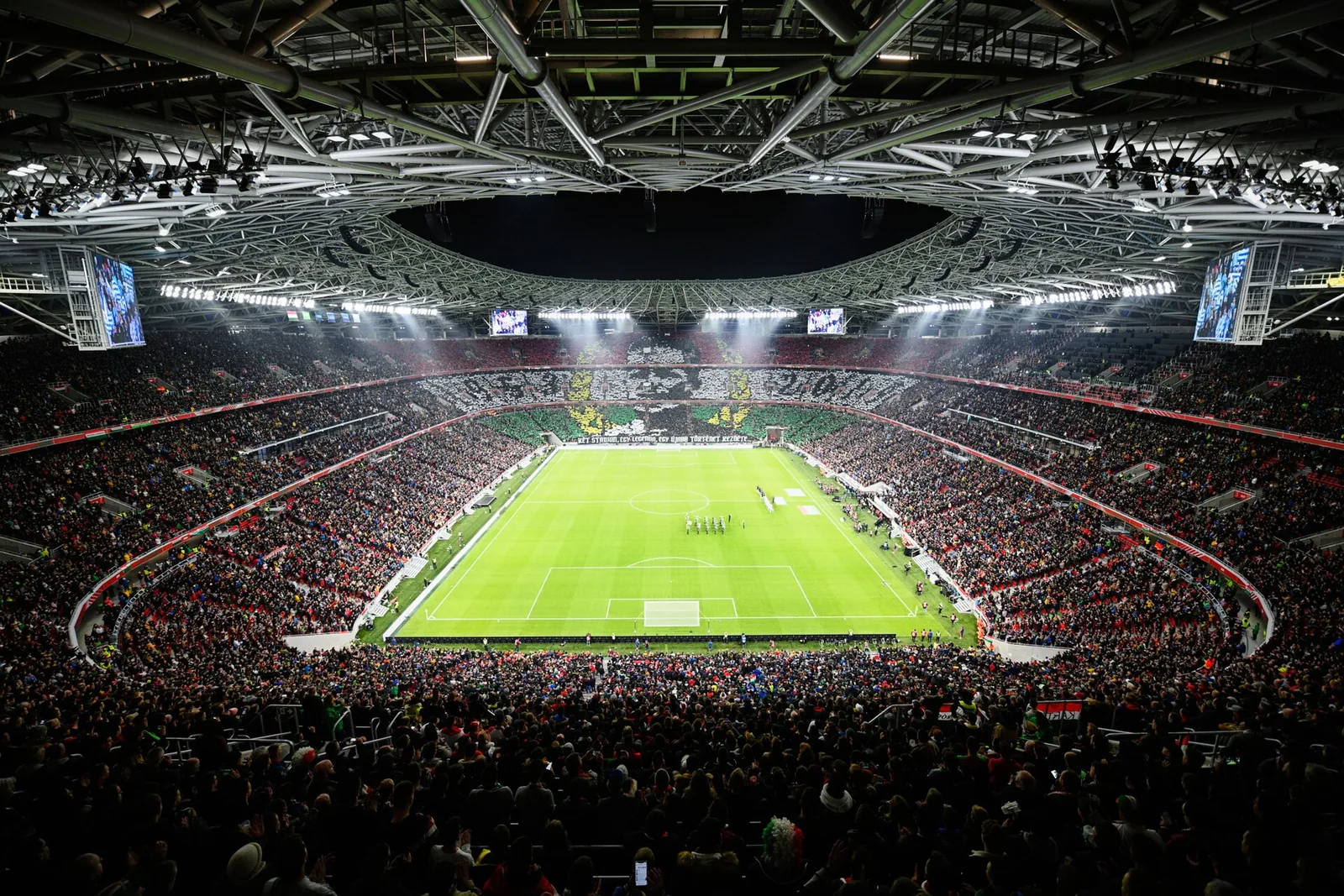
With a capacity of 67,215 seats, Puskás Aréna ranks among the roughly ten largest football stadiums in Europe. All seats are covered, and the facility meets the strictest UEFA Category 4 standards and is eligible to host Champions League finals. The multifunctional nature of the stadium also allows for large concerts and cultural events — the stands have been graced by global music stars like Ed Sheeran and Coldplay. The stadium plays a significant role in Hungarian sports identity and has become a modern symbol of sports in Budapest.
Key Facts
- Capacity: 67,215 spectators (all seats covered)
- Opened: November 20, 2019
- District: Zugló, 14th District of Budapest
- Architect: György Skardelli (KÖZTI studio)
- Certification: UEFA Category 4
- Use: football, athletics, concerts, and cultural events
Historie
Cesta časem
The Old Puskás Stadium
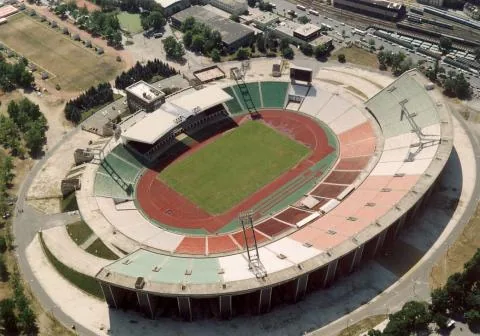
The original Ferenc Puskás Stadium, then known as Népstadion (People's Stadium), was built in 1953 and was one of the largest sports arenas in the world at its opening, with a capacity of over 100,000 spectators. After decades of glorious history — including matches during the golden era of Hungarian football in the 1950s — the stadium began to age. Despite several partial renovations, it was impossible to meet modern safety and comfort requirements set by UEFA and FIFA.
Decision to Demolish and Preparation
In 2014, the Hungarian government consortium chose a radical solution: to demolish the old stadium and build a completely new one on the same site. The demolition took place gradually; by October 2016, the old stadium had been completely razed. As a rare reminder of the past, the brick support walls and pylons of the original entrance facade were preserved — today, they are integrated into the new architecture and form a visual bridge between the era of Puskás’s triumphs and the present.
Construction 2017–2019
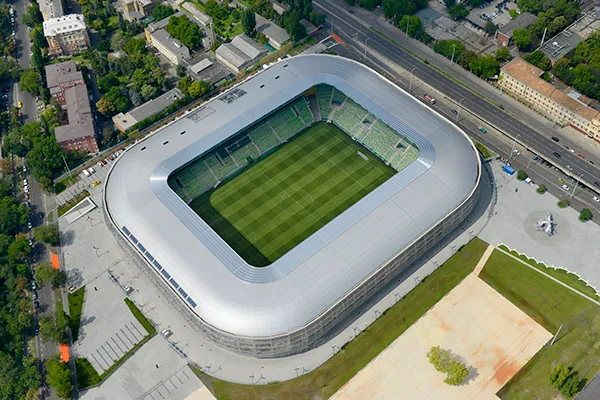
Construction of the new arena began in 2017 and lasted just two years. The project was designed by Hungarian architect György Skardelli of KÖZTI studio — the same creator who designed the nearby László Papp Sports Arena. Skardelli deliberately retained the elliptical shape of the original stadium and the characteristic pylons of the entrance building. The facade is covered with approximately 20,000 m² of stainless steel mesh, which creates a changing, wave-like effect under different lighting — hence the nickname 'the stadium with waves.'
The construction required an investment of approximately 190 billion forints (around 600 million euros) from the Hungarian state budget and EU funds. The entire project was realized in a record short time with regard to Hungary's commitment to host matches of UEFA Euro 2020.
Opening and Early Years of Operation
The stadium was ceremonially opened on November 20, 2019, with the match Hungary vs. Uruguay (3:2). As early as 2020, it hosted the UEFA Super Cup: Bayern Munich defeated Sevilla 2:1, becoming the first club in history to claim the trophy after a series of six consecutive wins in one Champions League season. In the summer of 2021, Puskás Aréna became one of the venues for UEFA Euro 2020 (postponed by a year due to the COVID-19 pandemic), operating at full capacity with no spectator restrictions as the only stadium in the tournament. In 2026, the stadium is set to host the UEFA Champions League final — the highest honor for a modern football venue.
Atmosféra
Den zápasu
Hungarian Football Temple
The atmosphere at Puskás Aréna is among the most intense in Europe. Hungarian fans are renowned for their loud, organized support — ultra groups and fan clubs fill the southern sector, drumming, singing, and waving flags for the full 90 minutes. The closed roof of the arena creates a natural acoustic cauldron that amplifies the sounds of the stands at critical moments.
Euro 2020 and Unforgettable Matches
Puskás Aréna hosted a total of four group stage matches and one round of 16 match during UEFA Euro 2020. The most emotional moment was the Group F match Hungary vs. France (1:1), where 67,000 fans provided their overwhelming support to hold on to a draw against the defending world champions for a long time. Group F included France, Germany, and Portugal and became the "group of death" of the tournament — thus, Puskás Aréna hosted the most-watched matches of the championship. Other matches at the stadium included Hungary vs. Germany and Hungary vs. Portugal; Hungary lost both, but the team's fighting spirit and the atmosphere in the stadium garnered admiration across Europe.
UEFA Super Cup and Champions League
In August 2020, Puskás Aréna became the venue for the UEFA Super Cup: Bayern Munich faced Sevilla and won 2:1. It was one of the first major international matches held during the pandemic, and the stadium managed to safely organize the prestigious event. UEFA has awarded the 2026 UEFA Champions League final to Puskás Aréna — confirming that the stadium has reached the highest level of sporting classification.
Club Ferencváros and European Cups
In addition to the Hungarian national team, the stadium is used by Ferencváros TC (FTC) for home cup matches, the historically most successful Hungarian club with 34 league titles. Ferencváros played group stage matches of the Champions League at Puskás Aréna (2020/21 season), facing Barcelona, Juventus, and Dynamo Kyiv in front of packed stands.
Fan Experience
The experience at the stadium is exceptional even for neutral spectators: sightlines from the seats are unobstructed (the roof is supported by an external perimeter system), each seat is equipped with a folding chair, and legroom meets UEFA Category 4 standards. Food and bar facilities are evenly distributed around the entire perimeter of the arena. For international matches, the stadium regularly sells out all 67,215 seats.
Praktické info
Návštěva stadionu
Transportation
The most convenient way to get there is via the M2 metro line (red line) — the nearest station is named Puskás Ferenc Stadion, and it’s less than a 2-minute walk from the station. The metro runs from the city center (Deák Ferenc tér and Keleti pályaudvar stations) every 3–5 minutes. For matches and major events, Budapest's public transport company BKK operates increased service.
By car, there are paid parking lots around the stadium, but during sold-out matches, capacity is limited — the metro is significantly more practical.
Stadium Tours and Museum
The Puskás Museum is located within the stadium complex and offers guided tours. Visitors will walk through the player locker rooms, which include integrated thermal baths, the players' tunnel, and the media areas. A standard tour lasts approximately 90 minutes, but for a more thorough understanding, the museum recommends allocating 2 hours.
Opening hours: Tuesday–Sunday 10:00 AM–6:00 PM (ticket office until 5:00 PM). On match days and during special events, tours may be limited or canceled.
Admission: Reduced admission (ages 3–18 and seniors 65+) costs 4,200 Ft. Children under 3 enter free. Payment is accepted by card only — the stadium and museum are cashless.
Contact: puskasmuzeum@nsu.hu, tel. +36 (30) 725 7421
Surroundings
In the immediate vicinity of the stadium is the László Papp Sports Arena (also designed by György Skardelli) and the expansive Városliget Park (City Park) with Széchenyi Thermal Baths located about a 15-minute walk away. There are several restaurants serving Hungarian cuisine suitable for pre-match gatherings.
Mapa
Kde najdeš stadion
Hodnocení
Tvoje hodnocení
Zatím bez hodnocení
Naplánuj návštěvu
Budapešť, Hungary
Ubytování
Booking.com — affiliate ID není nakonfigurováno
Stadium tour
GetYourGuide — partner ID není nakonfigurováno
Vstupenky
Ticombo — affiliate ID není nakonfigurováno
Některé odkazy jsou affiliate — pokud nakoupíš, dostaneme malou provizi (cena pro tebe se nemění).